Time / emotion / rhythm
Scene direction
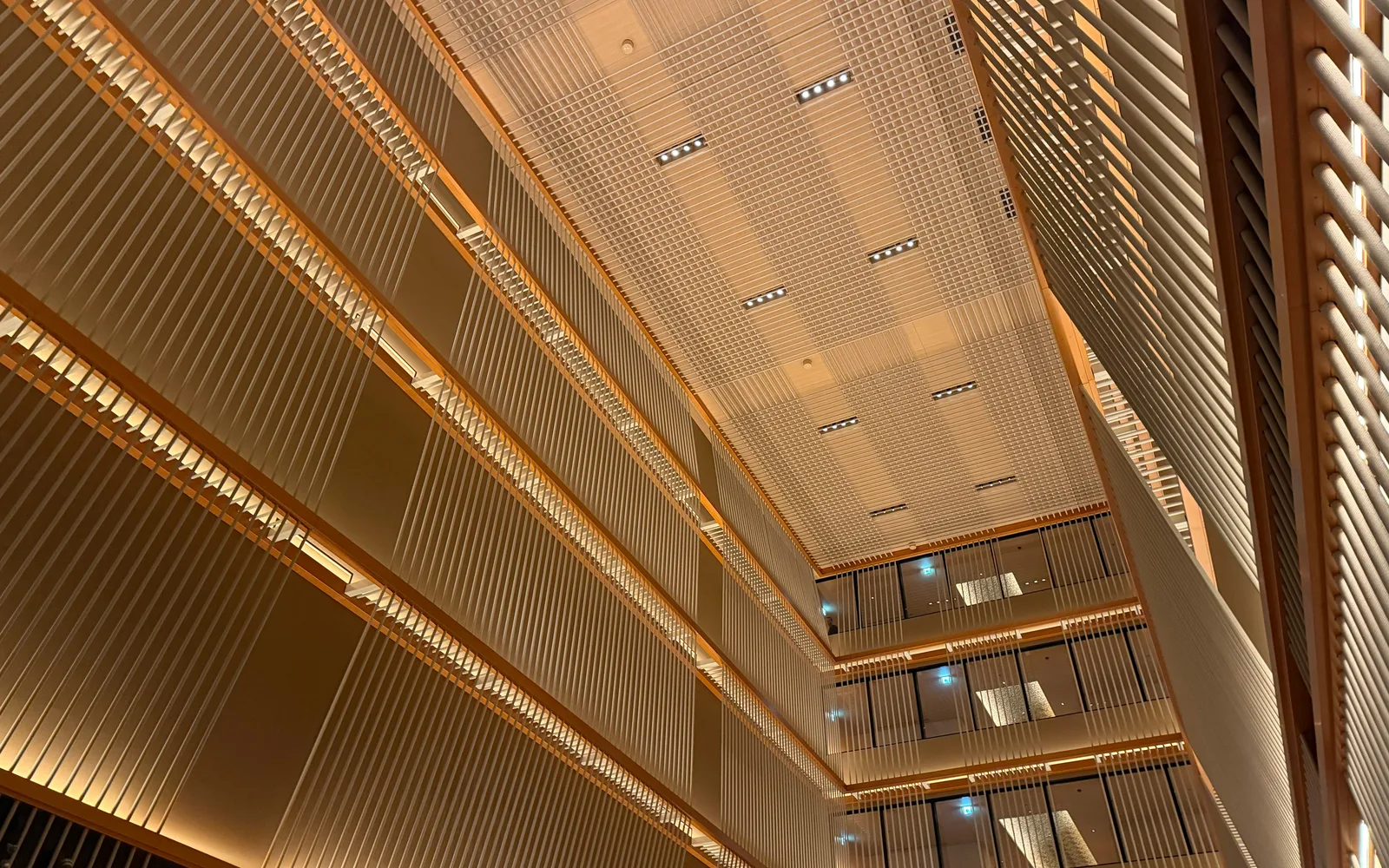
We choreograph a small set of meaningful light states that move naturally from arrival to focus, gathering, and rest.

Copenhagen / Tokyo / Everywhere
Frame 0161 · Rec 01
Adaptive environments / directed in light
Auralis composes responsive environments through architecture, sensing, and time—so every room changes with the life unfolding inside it.
Enter the studiesWarm architecture rises slowly before the room asks for attention.
Prologue / Auralis
Most lighting systems begin with hardware. Auralis begins with behavior: where people pause, what they need to see, and how the atmosphere should change when the day changes.
We use contrast, shadow, color temperature, and timing like a cinematographer uses a frame—directing attention without demanding it.
Chapter 01 / The system
We choreograph a small set of meaningful light states that move naturally from arrival to focus, gathering, and rest.
Sensors read movement, daylight, and occupancy quietly. The room responds; the technology stays out of the performance.
Light, surfaces, controls, and commissioning are developed as one visual language instead of separate technical layers.

Chapter 02 / The method
Composition comes before automation. Each cue has a subject, a purpose, and a transition.
We map daylight, movement, focus, rest, and the moments where the existing room works against its users.
We reduce hundreds of possible settings into a few legible scenes with clear emotional and practical purpose.
Every transition is tested on site across the full day, then tuned until it feels inevitable rather than automated.
Chapter 03 / Selected studies
Each study carries its own light logic, spatial rhythm, and emotional temperature.
 01
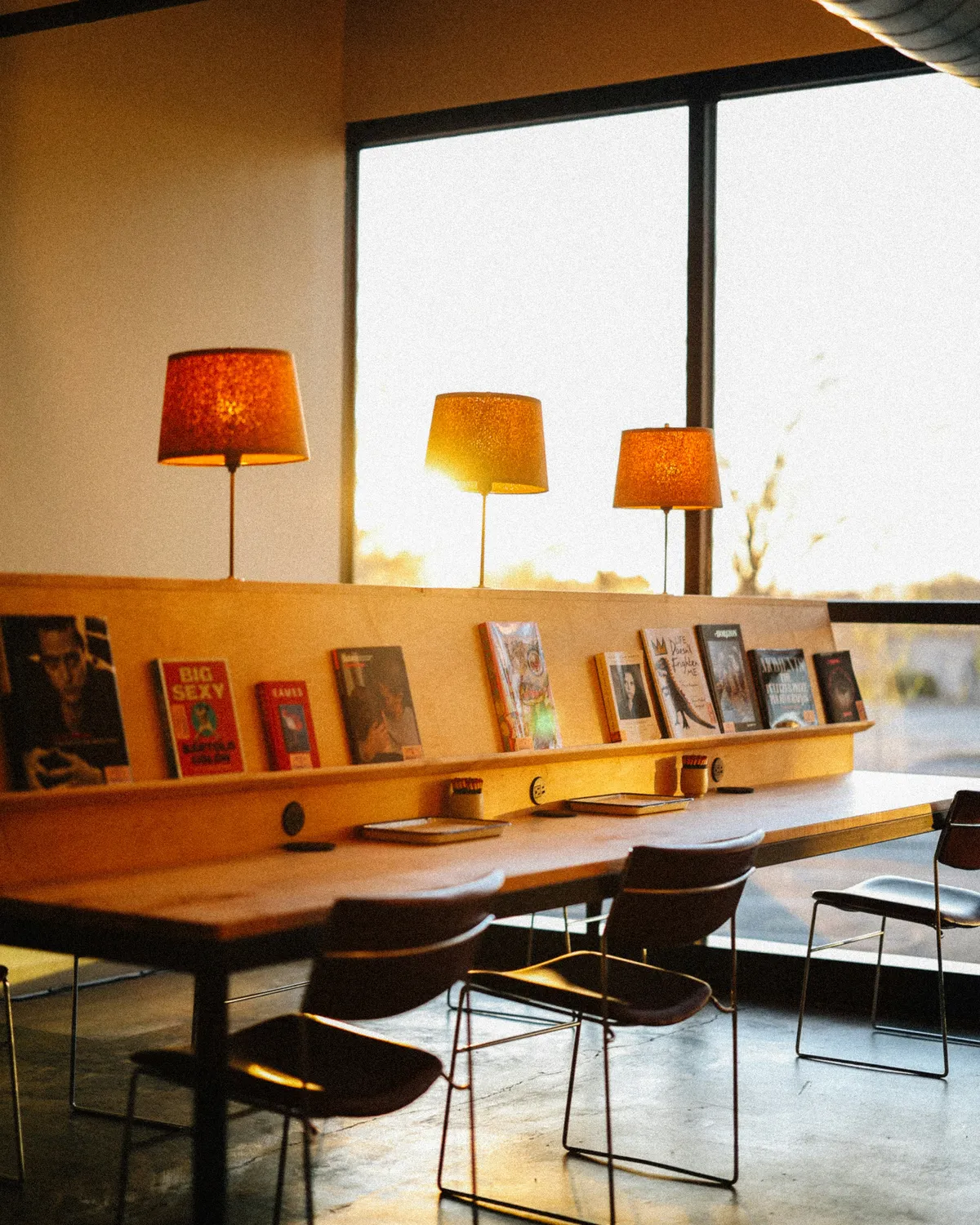
Workplace study
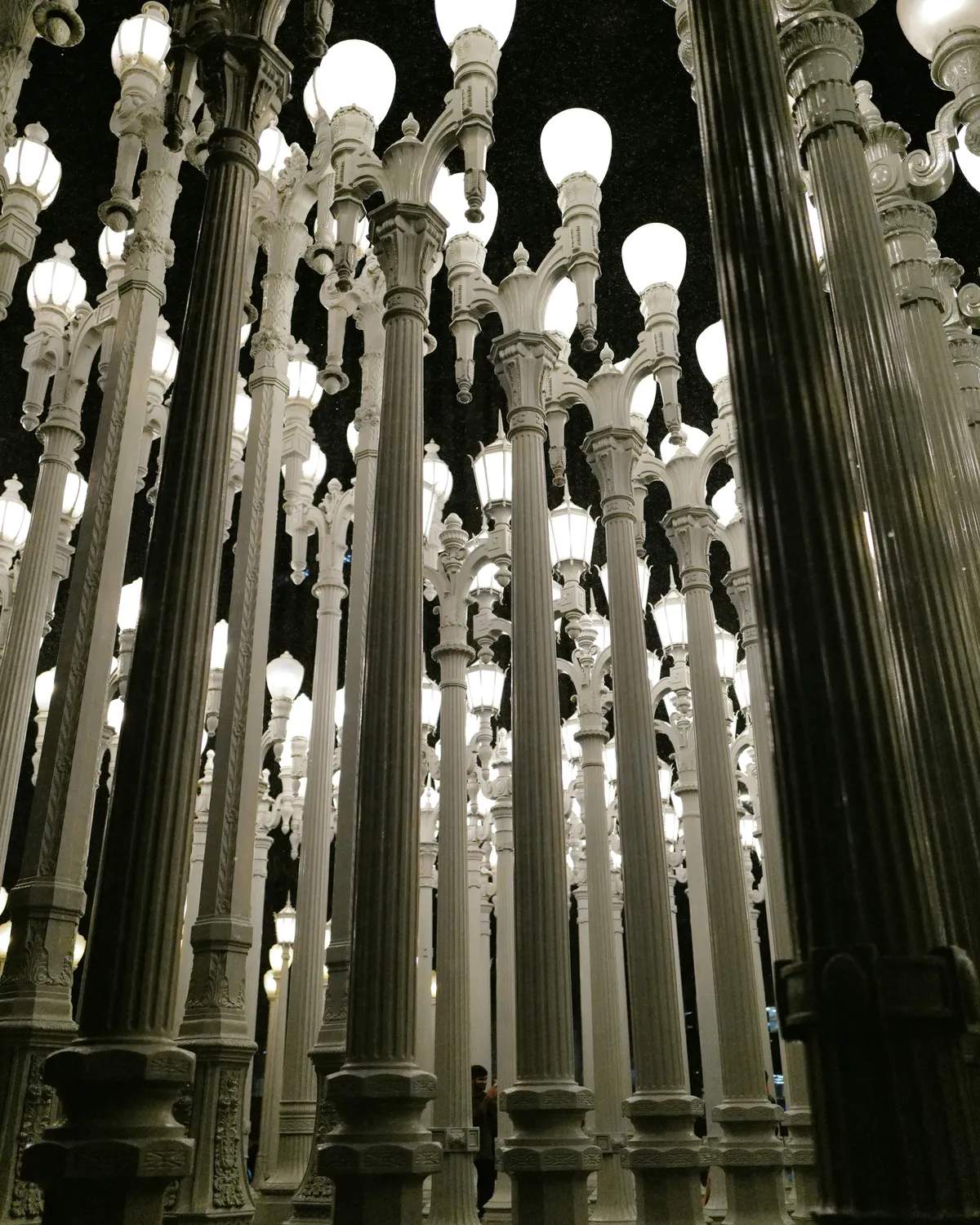 02
Public realm study
 03
Installation study
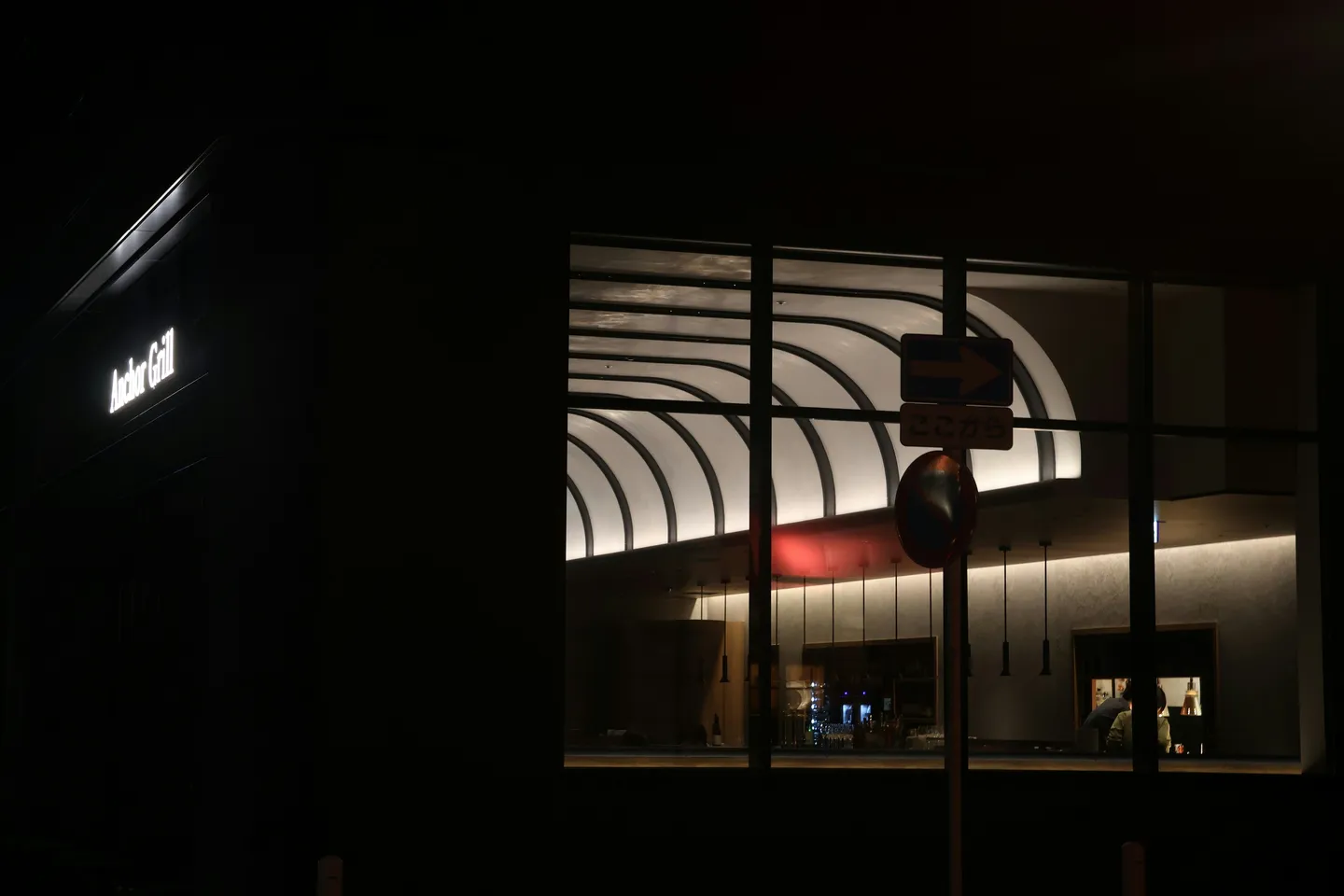 04
Hospitality study
Chapter 04 / In practice
“The best control system is the one you stop noticing.”
Epilogue / Start here
Share the space, the rhythm, and the feeling you want to create.